
Frequently Asked Real Estate Questions
Buying or selling a home in the Austin real estate market can feel like trying to predict the weather in Central Texas — mostly sunny with a chance of chaos. But don’t worry, we’ve gathered your most common (and delightfully uncommon) questions and answered them with honesty, clarity, and just enough humor to keep things interesting.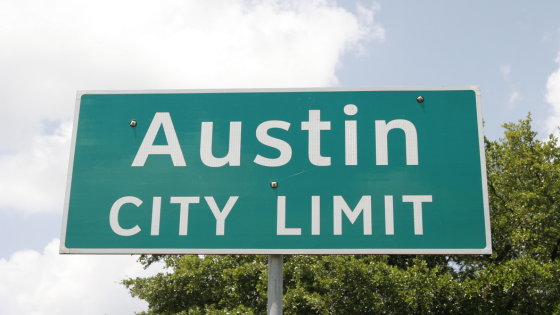
🏡 Home Buyer FAQs
Is the Austin real estate market still as competitive as everyone says, or is that just a scary bedtime story for homebuyers?
Short answer: yes… but it depends.
Long answer: The Austin housing market, particularly in areas like Northwest Austin, Cedar Park, Round Rock, and Leander, is still active, but not always “10 offers in 10 minutes” wild. Today’s Central Texas real estate trends include more balanced inventory, strategic pricing, and a touch less chaos than during peak bidding-war season.
Think of it as Austin traffic: still busy, but at least you’re not stuck behind a pedicab on South Congress.
How early should I start preparing to buy a home in Austin?
Think of preparing to buy a home like getting ready for a big opportunity—you can wait until the last minute, but you’ll be far better off if you plan ahead.
Starting 3–6 months early gives you time to get pre-approved, explore suburbs like Cedar Park, Round Rock, or Northwest Austin, and make sure your finances are truly ready.
That early preparation puts you in a position to move quickly when the right home hits the market—because in Austin, great homes don’t linger. They show up, get attention fast, and are gone before you know it.
How much money do I really need for a down payment on a home in Central Texas?
The myth: you need 20%, a briefcase full of cash, and a signed blessing from Matthew McConaughey.
Reality: Many buyers in Austin, Pflugerville, and Georgetown secure homes with 3–5% down, depending on loan type. If you're using VA or USDA options, sometimes you can even swing zero down.
But don’t worry — we’ll walk you through programs, grants, and options so you can stop Googling “Do I need to sell a kidney to buy a house in Austin?”
Does Austin’s tech growth really affect home prices, or is that just something REALTORS® say?
Oh, it’s real. When large tech companies move in, they bring thousands of employees who need housing — which keeps demand high even when the market cools.
This means homes in areas like Avery Ranch, Brushy Creek, and South Austin tend to get more attention than free queso at happy hour.
We’ll help you understand how current demand affects your search and how to make competitive offers that don’t drain your life savings.
Are bidding wars still a thing in the Austin housing market?
Sometimes. Especially for homes in hot areas like 78717, Northwest Austin, Cedar Park, and Round Rock. But today’s bidding wars involve more strategy and less desperation.
We’ll help you craft smart offers using:
- Austin market analytics
- Local home buyer trends
- Neighborhood-specific pricing patterns
No gladiator-style competition necessary.
What should I know about buying in a master-planned community in Central Texas?
Master-planned communities are like the Costco of neighborhoods: lots of amenities, neatly arranged streets, and occasionally more rules than you knew existed.
From resort-style pools to scenic trails and shiny new parks, places like Teravista, Santa Rita Ranch, and Mueller offer a strong lifestyle.
Just be ready for HOA guidelines — they’re not scary, but they may care a lot about your mailbox color or your enthusiasm for holiday decorations.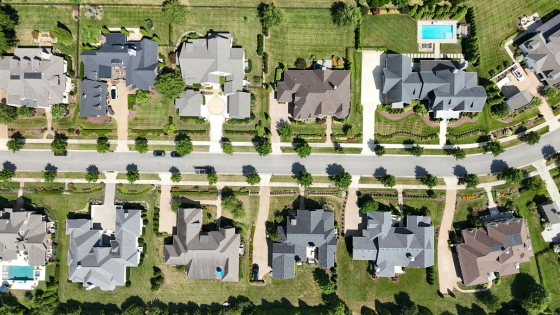
What’s the deal with property taxes in Texas? Should I be worried?
Texas has no state income tax (yay!), but property taxes make up for it (less yay). Each area — Williamson County, Travis County, and cities like Leander, Cedar Park, and Round Rock — has its own rate.
Expect us to help you decode tax rates, exemptions (hello, homestead!), and how taxes affect your monthly mortgage payment. You're not alone — everyone asks “Why is my tax bill bigger than my student loans?” at least once.
What inspection issues should I expect in a Central Texas home?
Homes here age the way we do — all that heat and unpredictable weather takes a toll. Common inspection findings include:
- Foundation movement (because our soil likes to shift)
- HVAC units that have been battling 110° summers
- Roofs with hail scars like they survived a Nerf gun war
- Irrigation leaks
- Trees that believe they own the property
Nothing to fear — we’ve seen it all, and most issues are manageable.
I’m relocating to Austin. What’s different about buying a home in Texas?
Welcome to Texas — where the tea is sweet, the tacos are plentiful, and the contracts come with something called an “option period.”
Texas real estate has a few quirks, like higher property taxes (we don’t have state income tax, so it balances out… mostly) and a unique inspection timeline.
We’ll walk you through everything so you can focus on more important things, like choosing between barbecue styles and deciding if you’re ready for your first pair of boots.
Can I buy a home in Austin if I work remotely from… well… anywhere?
Absolutely. The Austin area — Georgetown, Leander, Cedar Park, and Pflugerville especially — has become a magnet for remote workers thanks to high-speed internet, great coffee shops, and fewer blizzards than northern states.
We’ll help you find Central Texas homes with home offices, flex spaces, soundproof rooms for Zoom meetings, and yards perfect for midday sanity walks.
Should I worry about the foundation? This is Texas…
A healthy amount of caution never hurts, but not every tiny crack spells doom. Central Texas has clay-rich soil, meaning movement happens. We're used to it.
Certified inspectors will evaluate foundation performance — especially in areas like Round Rock, Pflugerville, and Cedar Park, where soil shifts are more common. We’ll walk you through what’s normal, what’s fixable, and what’s a giant red flag waving “run.”
Should I avoid homes with MUD or PID taxes?
Not at all! MUD and PID taxes are common in newer communities like Leander and Liberty Hill — they help pay for things like infrastructure and neighborhood improvements.
Just think of it as contributing to the “keeping the neighborhood beautiful” fund. We’ll help you decide whether it’s worth it based on your budget and long-term plans.
What happens if the appraisal comes in low?
In the wild world of Austin real estate, appraisal gaps sometimes happen. When they do, we explore all options — price adjustments, gap coverage, or additional comps.
Don’t panic. We’ve navigated appraisal issues more times than we’ve been stuck on I-35… which is saying a lot.
How does the Texas Homestead Exemption work?
Once your home is your primary residence on January 1, you can apply for the Homestead Exemption, which reduces your property taxes.
Translation: it keeps a little more money in your pocket every year, and who doesn’t love that?
🏠 Home Seller FAQs
What’s the first step to selling my home in Austin or Central Texas?
Step 1: Breathe.
Step 2: Call your friendly neighborhood listing specialist (hi!).
We’ll evaluate your home’s value using local Austin market data, comparative home sales, and SEO-worthy trends like “best time to sell a home in Austin”. Then we’ll recommend repairs, staging ideas, and pricing strategies that make sense for your home — not just generic advice like “paint everything gray.”
Spoiler: buyers in Central Texas are starting to like color again.
Is there a “best time” to sell my home in the Austin area?
Spring and early summer are typically the busiest, but homes in Central Texas sell year-round — people are always relocating, upsizing, downsizing, or suddenly deciding they need a home office not inside a closet.
Even winter can be great — fewer sellers mean more attention on your home. (Bonus: holiday lights can make even the simplest home sparkle.)
How long does it take to sell a home in Central Texas?
Ah yes, the “are we there yet?” of real estate.
Depending on the neighborhood — Round Rock, Cedar Park, Northwest Austin, Leander, Pflugerville — homes may sell within days or take a few weeks based on demand and pricing strategy.
We’ll review hyper-local stats like:
- Average days on market in Austin TX
- Central Texas home selling trends
- Buyer demand in your ZIP code
If you're listing during an Austin festival weekend, we’ll strategize around that too.
What marketing strategies actually work in the Austin real estate market?
Gone are the days of sticking a sign in the yard and hoping for the best. To stand out in the Austin housing market, we use:
- Professional photography that makes your home look like it belongs on HGTV
- Social media and Google ads targeting Austin-area buyers
- Listing optimization for SEO (because buyers are literally Googling “homes in Austin under ___”)
- Video tours and drone footage
Basically, your home gets the red carpet treatment — minus the paparazzi.
Do I need to fix everything before listing my house? Even the squeaky guest-bedroom closet?
Not necessarily… but let’s talk about it.
Buyers in the Central Texas housing market care most about big-ticket items: roof condition, HVAC health, foundation stability (we are still in Texas, after all), and overall cleanliness.
Cosmetic upgrades can help, but you don’t need to turn your home into a model in a HGTV competition. Sometimes the squeaky closet adds charm — like Austin’s unofficial motto, “Keep Austin Weird,” but for your house.
How do I sell my current home and buy another without losing my sanity?
Congrats — you’re attempting one of the most underrated feats of strength.
But don’t worry: we have tricks. Leasebacks, timed closings, contingent strategies, and bridge loans are all tools that can make this process far smoother.
Our job is to keep you calm and guide you through the process without needing to move twice (or sleep on a relative’s futon).
What should I expect during inspections and repairs?
Think of inspection reports like school progress reports — there’s always something. Especially in Texas.
We’ll help you understand what’s normal (like a mildly dramatic HVAC report) versus what needs attention. Buyers know homes in Austin, Cedar Park, and Round Rock aren’t perfect — they want honesty and transparency, not perfection.
What’s the biggest mistake people make in the Austin market?
Buyers: waiting too long in hopes that “just one more home” will show up next week.
Sellers: pricing based on what your neighbor said their cousin’s friend’s house sold for.
We use real data — not rumors from neighborhood Facebook groups — to guide your decisions.
Each office independently owned and operated.
Disclaimer: All information deemed reliable but not guaranteed. All properties are subject to prior sale, change or withdrawal. Neither listing broker(s) or information provider(s) shall be responsible for any typographical errors, misinformation, misprints and shall be held totally harmless. Listing(s) information is provided for consumers personal, non-commercial use and may not be used for any purpose other than to identify prospective properties consumers may be interested in purchasing. Information on this site was last updated 07/16/2026. The listing information on this page last changed on 07/16/2026. The data relating to real estate for sale on this website comes in part from the Internet Data Exchange program of Delta Media Group MLS (last updated Thu 07/16/2026 1:13:10 AM EST) or Austin MLS (last updated Thu 07/16/2026 12:27:34 AM EST) or CTXMLS (last updated Wed 07/15/2026 11:34:26 PM EST). Real estate listings held by brokerage firms other than Realty Capital City may be marked with the Internet Data Exchange logo and detailed information about those properties will include the name of the listing broker(s) when required by the MLS. All rights reserved.
Privacy Policy / DMCA Notice / ADA Accessibility


